

What are the physical properties of GLUTARALDEHYDE?
Leave a message

Yo, folks! As a supplier of GLUTARALDEHYDE, I'm super stoked to chat about its physical properties. It's like peeling back the layers of an onion to understand what makes this chemical tick. So, let's dive right in!
Physical State and Appearance
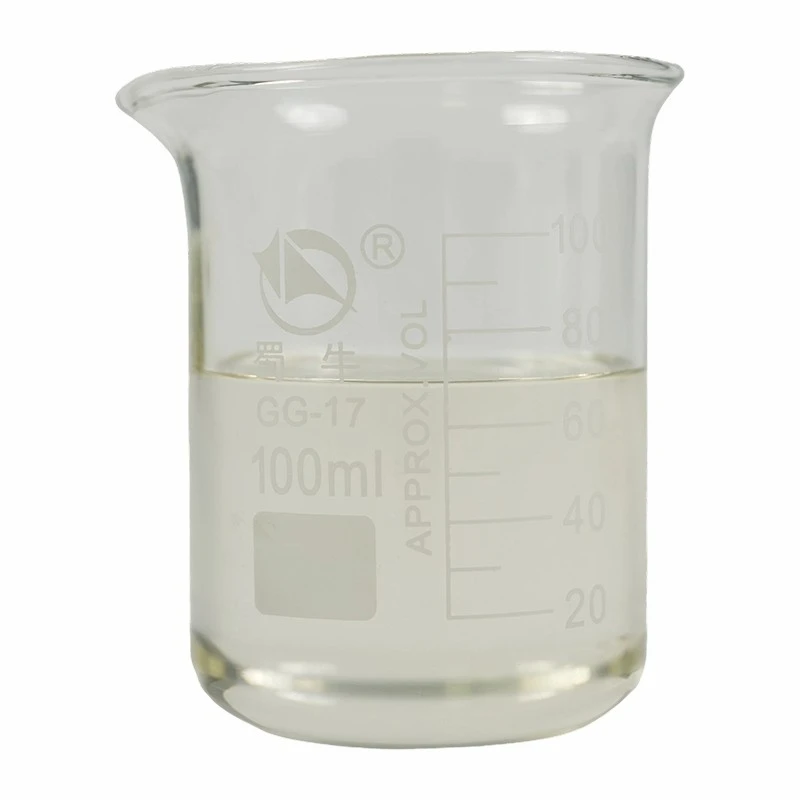
GLUTARALDEHYDE is usually found in a liquid state at room temperature. It's a clear, colorless to slightly yellowish liquid. You know, it's not like some murky, thick substance. It's got a kind of clean - looking appearance, which is pretty important when it comes to its applications. Whether you're using it in a lab or an industrial setting, you can easily see what's going on with it.
The liquid form makes it quite versatile. It can be easily poured, measured, and mixed with other substances. This is a big plus for industries that rely on precise chemical reactions. You can just grab a pipette or a beaker and start working with it.
Odor
Now, let's talk about the smell. GLUTARALDEHYDE has a pungent odor. It's not a pleasant smell by any means. It can be a bit overpowering, especially in concentrated forms. If you've ever been around it, you'll know that it can really hit you in the nose. This strong odor is something to be aware of, and proper ventilation is a must when handling it.
In some workplaces, they use special fume hoods to keep the air clean and prevent workers from inhaling too much of the fumes. It's not just about comfort; inhaling high concentrations of GLUTARALDEHYDE fumes can be harmful to your health. So, always take the necessary precautions.
Solubility
One of the really cool physical properties of GLUTARALDEHYDE is its solubility. It's highly soluble in water. This is a huge advantage in many applications. For example, if you want to use it as a disinfectant, you can easily dissolve it in water to create a solution. You don't have to worry about it clumping or not mixing well.
It's also soluble in some organic solvents like ethanol. This solubility in different types of solvents gives it a wide range of uses. In the pharmaceutical industry, for instance, this property allows it to be incorporated into different formulations for various medical needs.
Boiling and Melting Points
The boiling point of GLUTARALDEHYDE is around 187 - 189 °C (369 - 372 °F). This relatively high boiling point means that it can withstand quite a bit of heat before it turns into a gas. This is important in industrial processes where high - temperature stability is required.
On the other hand, its melting point is - 14 °C (7.2 °F). So, it remains a liquid in most normal working environments. You don't have to worry about it solidifying easily, which makes it more convenient to handle and store.
Density
GLUTARALDEHYDE has a density of about 1.06 g/cm³ at 25 °C. This density is important for a few reasons. When you're measuring out a specific volume of GLUTARALDEHYDE, the density helps you determine the mass. In chemical reactions, precise measurements of mass are crucial for getting the right results.
For example, if you're using it in a reaction where the stoichiometry is important, you need to know exactly how much GLUTARALDEHYDE you're adding. The density allows you to convert between volume and mass accurately.
Viscosity
The viscosity of GLUTARALDEHYDE is relatively low. This means it flows easily. Low - viscosity liquids are easier to handle, transfer, and mix. In industries where you need to pump the liquid through pipes or mix it with other substances quickly, the low viscosity of GLUTARALDEHYDE is a definite advantage.
It's not like some thick, gooey substances that are hard to move around. You can pour it from one container to another without much resistance, which saves time and effort.
Comparison with Other Bactericidal Agents
When it comes to bactericidal agents, GLUTARALDEHYDE has some unique physical properties compared to others. For example, Tetrakis(Hydroxymethyl)phosphonium Sulfate(THPS) is also a well - known bactericide. THPS is usually in a liquid form too, but its chemical structure and physical properties are different.
THPS is more soluble in water and has a different range of applications. GLUTARALDEHYDE, on the other hand, has a wider range of solubility in both water and organic solvents, which gives it an edge in some formulations.
Benzalkonium Chloride(Dodecyl Dimethyl Benzyl Ammonium Chloride) is another common bactericide. It's often in the form of a solid or a concentrated solution. Benzalkonium Chloride has a different odor and solubility profile compared to GLUTARALDEHYDE.
GLUTARALDEHYDE's ability to work in different solvent systems makes it more versatile in creating different types of disinfectants and preservatives.
Isoxazolines are a group of chemicals with their own set of physical properties. They can be in various physical states depending on their specific structure. Isoxazolines are known for their high - performance antibacterial properties, but GLUTARALDEHYDE's physical properties, like its solubility and low viscosity, make it easier to work with in many practical applications.
Applications Based on Physical Properties
The physical properties of GLUTARALDEHYDE play a huge role in its applications. In the medical field, its solubility in water and low viscosity make it an ideal candidate for disinfecting medical equipment. You can easily create a solution of the right concentration and soak the equipment in it.
In the textile industry, its ability to react with proteins in fibers is combined with its physical properties. The liquid form and solubility allow it to penetrate the fibers easily, improving the dyeability and shrink - resistance of the textiles.

In the leather industry, the chemical's physical state and reactivity make it useful for tanning processes. It can react with the collagen in the leather, making it more durable and resistant to decay.
Why Choose Our GLUTARALDEHYDE
As a GLUTARALDEHYDE supplier, we take pride in offering high - quality product. We ensure that our GLUTARALDEHYDE meets all the industry standards in terms of purity and physical properties. Our product has the right density, solubility, and viscosity for your specific needs.
Whether you're in the medical, textile, or leather industry, our GLUTARALDEHYDE can be a great addition to your processes. We understand the importance of these physical properties in your applications, and we work hard to provide you with a product that performs consistently.
Contact Us for Procurement
If you're interested in buying GLUTARALDEHYDE, click here to learn more about our product. We're always here to answer your questions and help you with your procurement needs. Whether you need a small quantity for testing or a large - scale supply for your industrial operations, we've got you covered.
Just get in touch with us, and we can discuss the details. Let's work together to make your business more successful with our high - quality GLUTARALDEHYDE!
References
- Smith, J. "Handbook of Chemical Properties." 2018.
- Johnson, M. "Industrial Applications of Chemicals." 2020.
- Brown, K. "Medical Disinfection with Chemicals." 2019.
